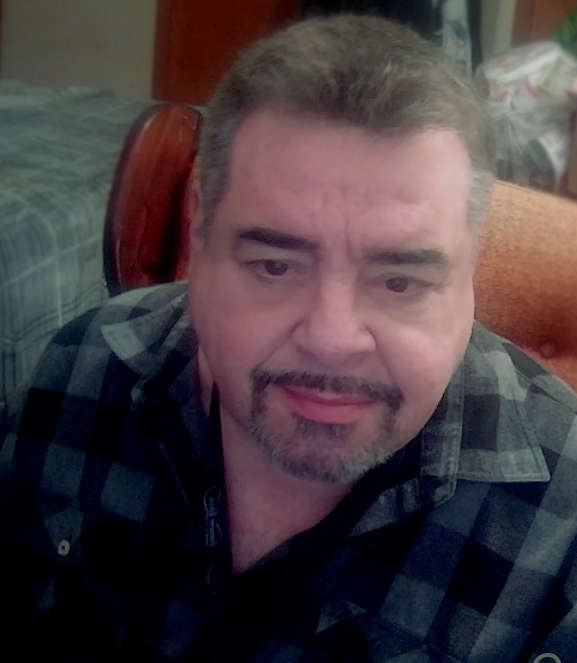
The human behind the work
A Lifetime Around Guitars, Tools, Players, and Problems Worth Solving
My name is Jack, and Dr Guitar Care is built on more than 47 years of hands-on experience working with guitars, musical instruments, repairs, setups, fretwork, restoration, and custom work.
I did not come to this craft through a perfect classroom path. Like many serious craftspeople, I learned through years of real instruments, real players, real problems, mistakes, improvements, repetition, observation, and the school of hard knocks.
That kind of experience teaches you something important: every guitar has its own history, its own structure, its own feel, and its own way of telling you what is wrong. Good repair starts with listening to the instrument before reaching for the tool.
Repair Work Is Part Craft, Part Engineering, and Part Judgment
A guitar repair is rarely just one isolated adjustment. The neck, frets, nut, bridge, electronics, wood movement, hardware, finish, player style, and past repair history all work together. The real skill is knowing what matters, what does not, and what approach protects the instrument.
Careful Evaluation
Every repair begins with observation, not guessing. Buzzing, high action, tuning trouble, weak output, and structural movement can have several different causes.
Hands-On Craftsmanship
Skill develops through repeated work with real instruments, careful tool control, clean technique, patience, and respect for the material.
Problem-Solving Mindset
Many repairs have more than one possible solution. The better repair is the one that fits the guitar, the player, the structure, and the long-term goal.
Respect for the Instrument
A daily player, a student guitar, a family instrument, and a high-end vintage collectible all deserve thoughtful care and honest recommendations.
Clear Communication
Good repair work includes explaining what is happening, what can be done, what should be avoided, and what expectations are realistic.
Trust Over Shortcuts
The goal is not the fastest answer. The goal is a stable, clean, honest repair that helps the guitar perform better without creating new problems.
Training Matters — But Judgment Is What Customers Feel
There are many paths into guitar repair and lutherie. Some people come through formal schools, some through apprenticeships, and some through decades of hands-on work. None of those paths automatically guarantee excellence by themselves.
The best craftspeople usually develop a combination of knowledge, touch, patience, design sense, mechanical understanding, and the ability to notice small details others miss.
That is especially important with vintage guitars, structural repairs, fretwork, refinishing, and high-end instruments where the wrong repair choice can affect stability, appearance, playability, and value.
The real question is not only where someone learned.
The real question is whether they can look at your guitar, understand what is actually happening, explain it clearly, and choose the repair path that makes sense for that specific instrument.
How to Choose a Trustworthy Guitar Tech or Luthier
Before trusting someone with a guitar — especially a vintage, high-end, or collectible instrument — it helps to understand what separates careful repair work from rushed or average repair work.
Good repair work is not about showing off. It is about understanding the instrument, respecting the player, and choosing the repair path that makes the most sense.
Formerly Bangkok Pro Guitar Repair
The same work ethic and careful approach once trusted by clients overseas now continues in the United States as Dr Guitar Care.
That background matters because it reflects years of working with different players, different instruments, different climates, and different repair challenges.
Serving Fulton County NY & Beyond
Dr Guitar Care serves players, collectors, and working musicians throughout Gloversville, Johnstown, Mayfield, Amsterdam, Broadalbin, Northville, Fulton County, and nearby Upstate New York areas.
High-end and collectible guitars may also be considered for shipped-in repair or restoration projects when appropriate.
Looking for Guitar Repair You Can Trust?
Whether your guitar needs a setup, fretwork, restoration, structural repair, refinishing, or an honest evaluation, Dr Guitar Care is here to help.
Fast responses. Honest evaluations. Professional results.